
5 Etsy Care-Card Templates for DTF Transfer Sellers (And Why They Cut Returns)
May 28, 2026
The most common Etsy DTF-transfer return is not a quality issue. It is a customer who pressed the transfer at the wrong temperature, washed the shirt wrong on the first cycle, or peeled the carrier film before it cooled. Every one of those failures shows up in Etsy reviews as a one-star complaint about "the transfer cracked" when the actual cause was a customer-side mistake on the first press or first wash.
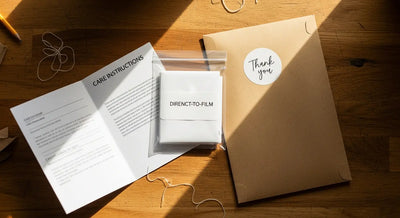
For Etsy DTF-transfer sellers, the single highest-ROI operational change is including a printed care card with every order. Sellers who ship care cards see return rates and refund requests drop measurably across their first quarter. The card costs a few cents per order and saves the average seller dozens of refund-and-replace cycles per month.
Here are five care-card template structures that work for different DTF-transfer buyer profiles. Pick the one that matches your customer mix or rotate through them by product category.
Template 1: The Quick-Reference Press Settings Card
For customers who bought a single DTF transfer to press at home on a household iron or a hobby heat press. This is the highest-volume Etsy buyer profile, and they are the most likely to crack a transfer on the first press.
The card has four lines of bold text:
- Temperature: the manufacturer-recommended press temp for the film you sold them
- Time: the recommended dwell time
- Pressure: medium pressure for most DTF films on cotton
- Peel: hot peel or cold peel based on the specific film
That is it. Four lines, big type, one card. The customer reads it in five seconds, presses correctly the first time, and does not return the order.
For sellers sourcing DTF transfers from DTF Dallas, the ready-to-press DTF library specifies the press settings for each film type in the product listing. Copy those numbers onto the care card directly. The numbers are the manufacturer's recommendations, which means they hold up if a customer ever disputes the instructions.
Template 2: The First-Wash Survival Card
The second-most-common failure point is the first wash. Customers throw their new DTF-printed shirt in with their normal laundry on the first cycle, the transfer cracks, and the seller gets a one-star review.
The First-Wash Survival Card has three lines:
- Wait 24 hours after pressing before the first wash
- Cold water, inside-out, gentle cycle
- Tumble dry low or hang dry on the first three wash cycles
The 24-hour wait is the critical line. The adhesive bond between the DTF transfer and the garment fiber cures over the first day after pressing. Washing immediately interrupts the cure. Tell the customer this once, on a card, and they wait the 24 hours.
This template pairs well with the press-settings card from Template 1. Many Etsy sellers run a two-sided card with press settings on the front and wash instructions on the back.
Template 3: The "Welcome to DTF" Education Card
For customers buying their first DTF transfer ever. This is a different buyer profile than the experienced hobbyist. The first-time buyer needs to know what DTF even is and why it presses differently from heat-transfer-vinyl or sublimation.
The Welcome card has a three-paragraph structure:
- Paragraph 1: what DTF is (a complete printed film transferred to fabric with a heat press)
- Paragraph 2: why DTF is different from HTV or sublimation (no cutting, no weeding, prints on cotton and poly and blends)
- Paragraph 3: where to find a press-settings reference (point them at your product listing or your shop FAQ)
This card converts more first-time buyers into repeat customers than any pricing or product change. The first-time buyer who feels educated comes back. The first-time buyer who feels confused refunds.
For sellers using DTF Dallas transfers, the ready-to-press library is a useful link to include in the card itself for customers who want to browse the full design selection later.
Template 4: The Premium-Tier Thank-You Card
For sellers running a premium-price Etsy shop. Care-card-as-marketing. Heavyweight cardstock, custom printing, your shop logo on the back, a handwritten signature line at the bottom.
This template is not about reducing returns. It is about converting first-time buyers into repeat customers and review-leavers. Premium-tier Etsy shops with custom thank-you cards see review rates climb sharply because the buyer feels the shop went the extra step.
The card itself has minimal text:
- A two-sentence thank-you note
- One line about how to press the transfer (point them at a QR code or short URL for full instructions)
- A request for an Etsy review with a clear ask
- Your shop logo and signature
The two-sentence thank-you and the review ask are the two highest-ROI lines on the entire card.
Template 5: The Bulk-Order Quick-Press Cheat Sheet
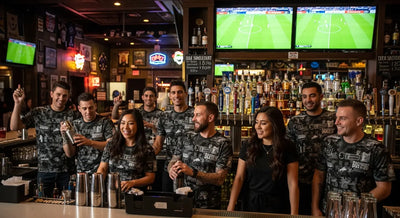
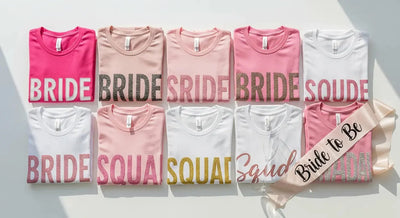
For sellers shipping bulk orders to other businesses (bachelorette party hosts, sports bar owners, school spirit groups). The buyer is not pressing one shirt; they are pressing 15 to 50 shirts in a single afternoon.
The Bulk-Order Cheat Sheet has these elements:
- Press settings (same as Template 1)
- A recommended production pacing note ("Press one shirt, let it cool, check the bond, then run the batch")
- A line about gang-sheet layouts if the order included one
- A line about what to do if any transfer in the batch fails (replacement policy)
- A contact line for direct questions during the production run
The replacement policy line is the differentiator. Buyers running a 50-shirt watch-party uniform job want to know that if one or two transfers fail during their press run, they have a clear path to get replacements before the event.
For sellers running bulk gang-sheet orders through DTF Dallas gang sheets, the replacement policy comes from your shop directly, but you can reference the same-day-pickup option at the Richardson location as a fast-replacement path if the buyer is local.
How to Actually Produce the Cards
The cards themselves do not need to be expensive. Standard business-card stock printed at any local print shop runs a few cents per card at 250-card minimums. Some Etsy sellers print cards in-house on heavy cardstock using their existing inkjet.
The investment is in the layout. Templates 1 through 5 each need a single layout file you reuse across every order. Cost-amortize the design work across thousands of shipments and the per-order cost is effectively zero.
For sellers buying DTF transfers from DTF Dallas, the press-settings reference cards (Templates 1 and 5) can be customized to the specific film type per order. Reference DTF transfers by size for the size-specific recommendations and include the right settings on the card.
The Returns Math Most Etsy Sellers Miss
The cost of a single Etsy return is not just the refunded order. It is the negative review, the search-ranking penalty, the seller-rating hit, and the time spent in customer-service messages. A single one-star review on a DTF-transfer listing measurably drops conversion rate for the next 30 days.
A care card costs roughly the price of a postage stamp. The math is straightforward: even a small reduction in return rate pays for the cards across the entire year of orders. Most Etsy DTF-transfer sellers see meaningful return-rate drops after their first 30 days of consistent card inclusion.
Ship the card. Pick the template. Save the reviews.
Comments 0
Be the first to leave a comment.