
How to Start a Clothing Brand with Heavyweight Blanks and DTF Printing
Jul 20, 2026 (Updated on Sep 25, 2026)
Starting a clothing brand is not only about creating a logo and putting it on a shirt. The blank you choose, the way the shirt fits, the fabric weight, the finish, the print method and the final product feel all shape how customers see your brand.
A basic tee works for some projects, but if you want your brand to feel more premium, heavyweight blanks and DTF printing give you a stronger starting point. Heavyweight T-shirts, garment-dyed blanks, oversized streetwear fits, hoodies, sweatshirts and full-color DTF transfers help you test products without starting with a huge apparel lineup.
At DTF Dallas, customers can start with blank apparel, order DTF transfers, or choose custom apparel if they want the finished printed garment handled in one place.
In this article
- How to start with DTF printing
- Choose your blank first
- Decide what brand you are building
- Start with a small lineup
- Test designs with DTF
- Good / better / best strategy
- Fit, finish and artwork together
- Blank vs DTF vs custom apparel
- Costs and starting with no inventory
- Common mistakes and starter checklist
- FAQ: starting a clothing brand answered
Quick answer: how do you start a clothing brand with DTF printing?
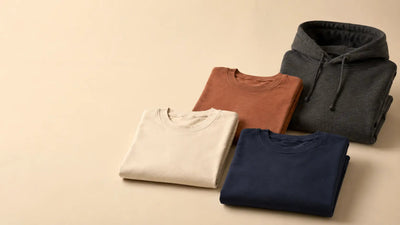
Start with a small blank lineup, choose one or two strong shirt styles, create a few designs, order DTF transfers or custom apparel, test customer response, and scale the products that sell. A simple starter lineup is one reliable core tee, one premium heavyweight tee, one garment-dyed or vintage shirt, and one hoodie. DTF Dallas has no order minimum, so you can test a single sample before committing to a run, with same-day production before 2:00 PM CST.
A starter lineup could pair the Gildan 5000 Heavy Cotton as a core shirt, the Comfort Colors 1717 as a garment-dyed lifestyle tee, the Shaka Wear Max Heavyweight for a streetwear blank, and the Gildan 18500 Hoodie for colder-weather merch.
For more help choosing shirt weight and fit, read the heavyweight T-shirt buyer's guide for DTF printing. If you are still deciding which shirts work best with transfers, read the guide to the best shirts for DTF transfers.
Step 1: Choose Your Blank Before You Choose Every Design
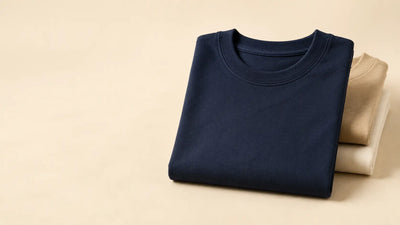
Many new clothing brands start with the design first. That makes sense, but the blank is just as important. The same artwork feels completely different depending on the shirt. A design printed on a thin promotional tee feels basic. The same design on a heavyweight, garment-dyed, oversized or drop-shoulder blank feels more premium and retail-ready.
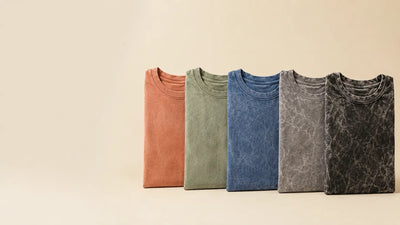
Before creating a full product line, decide what kind of blank fits your brand: classic cotton, heavyweight cotton, garment-dyed, oversized, boxy fit, drop shoulder, acid wash, hoodie, sweatshirt, or tote and accessory products. Browse blank apparel first if you want to choose the garment before printing, which is useful when you want to test different fits, colors, weights and finishes before building a larger collection.
Step 2: Decide What Kind of Brand You Are Building
Not every clothing brand should use the same blank. A streetwear brand, teacher merch brand, boutique lifestyle brand and school spirit brand all need different product choices.
| Brand type | Blank direction |
|---|---|
| Streetwear brand | Shaka Wear heavyweight, oversized or drop-shoulder styles |
| Lifestyle brand | Comfort Colors 1717 garment-dyed tee |
| Budget merch brand | Gildan 5000 Heavy Cotton |
| Vintage brand | Acid wash or garment-dyed oversized tee |
| School or community brand | Gildan 5000 or Comfort Colors 1717 |
| Premium merch brand | Heavyweight or garment-dyed blanks |
| Creator merch brand | Heavyweight tee with bold DTF artwork |
| Cold-weather merch brand | Hoodie or crewneck sweatshirt |
For streetwear-style projects, the Shaka Wear SHMHSS Max Heavyweight, the Shaka Wear SHGD Garment-Dyed and the Shaka Wear SHGDD Drop Shoulder are strong options. For softer lifestyle merch, the Comfort Colors 1717 is a useful starting point. For value-focused tests, the Gildan 5000 Heavy Cotton keeps the first product simple and practical.
Step 3: Start with a Small Product Lineup
One of the biggest mistakes new clothing brands make is launching with too many products. Too many blanks, colors, designs and sizes make the first launch harder to manage. A better starting point is a small product lineup.
| Product role | Recommended direction | Example |
|---|---|---|
| Core tee | Reliable everyday cotton shirt | Gildan 5000 Heavy Cotton |
| Premium tee | Garment-dyed lifestyle blank | Comfort Colors 1717 |
| Streetwear tee | Heavyweight or oversized blank | Shaka Wear Max Heavyweight |
| Vintage tee | Washed oversized blank | Acid Wash Heavyweight Oversized |
| Hoodie | Cold-weather or premium add-on | Gildan 18500 Hoodie |
| Crewneck | Seasonal or school merch option | Gildan 18000 Sweatshirt |
This does not mean you need to launch all of these at once. It means you can build your brand in layers. A simple first drop could be one T-shirt, two color options, two designs, and one hoodie or sweatshirt later. Start small, learn what customers actually buy, then expand.
Step 4: Use DTF Transfers to Test Designs Before Scaling
DTF printing is useful for clothing brands because it supports full-color artwork, dark garments, small batches and different apparel styles. Instead of building a huge inventory before you know what will sell, you can test designs with DTF transfers, blank shirts or finished custom apparel.
This is especially useful for first product drops, limited collections, creator merch, local brand tests, seasonal designs, event merch and artwork variations. DTF transfers work well for detailed graphics, colorful artwork, logos, text designs, back prints, front prints and small left-chest designs. The key is matching the transfer with the right blank. For print-specific blank advice, read the guide to the best shirts for DTF transfers.
Step 5: Build a Good / Better / Best Apparel Strategy
A clothing brand does not need every product to be the same price or quality level. You can create a simple product ladder.
| Tier | Product direction | Example |
|---|---|---|
| Good | Reliable cotton tee | Gildan 5000 |
| Better | Garment-dyed premium tee | Comfort Colors 1717 |
| Best | Heavyweight streetwear blank | Shaka Wear Max Heavyweight |
| Statement | Washed or oversized tee | Acid Wash Oversized |
| Add-on | Hoodie or sweatshirt | Gildan 18500 or 18000 |
This helps customers understand your collection. It also helps you test what your audience values most. Some customers buy the core tee first. Others prefer the premium garment-dyed shirt or heavyweight streetwear blank. Over time, your sales show which direction your brand should expand.
Step 6: Think About Fit, Finish and Artwork Together
A clothing brand should not treat the blank and the artwork as separate decisions. They should work together.
- A boxy heavyweight shirt works well with bold front or back artwork.
- A garment-dyed shirt works well with soft lifestyle designs.
- An acid wash shirt works better with high-contrast graphics.
- A hoodie works well with chest prints, sleeve prints or large back prints.
- A staff or school shirt may need cleaner logo placement.
If you want a softer, lived-in brand look, garment-dyed blanks like the Comfort Colors 1717 make sense. If you want a stronger streetwear feel, Shaka Wear heavyweight and drop-shoulder styles are a better match. For more detail on shirt finishes, read the guide to garment dyed, pigment dyed, vintage wash, mineral wash and acid wash T-shirts.
Step 7: Decide Between Blank Apparel, DTF Transfers and Custom Apparel
DTF Dallas gives clothing brand customers several ways to work.
| Need | Best option |
|---|---|
| I want to press the designs myself | DTF transfers + blank apparel |
| I want blank inventory | Blank apparel |
| I want finished printed shirts | Custom apparel |
| I want to test a brand idea | Small blank order + DTF transfers |
| I want less production work | Custom apparel |
| I want to compare shirt styles | Blank apparel samples |
| I want a ready-to-sell product | Custom apparel |
Choose blank apparel if you want more control over your own production workflow. Choose DTF transfers if you already have shirts or want ready-to-press artwork. Choose custom apparel if you want the finished printed product handled for you.
How Much Does It Cost to Start a Clothing Brand?
The cost to start a clothing brand depends on your blanks, print method, quantity, artwork, packaging, website, photography and marketing. You do not need to start with a huge product line. Many new brands begin by testing a small number of designs on a small number of blanks.
Your starting costs may include sample blanks, DTF transfers or custom apparel, artwork, product photography, packaging, website or marketplace fees, shipping supplies and marketing. A heavyweight or garment-dyed blank costs more than a basic promotional tee, but it makes the final product feel more premium. The best choice depends on your audience and price point.
Instead of asking "what is the cheapest shirt I can use?", ask "what shirt makes my brand feel worth buying?"
That question usually leads to a better product.
Can You Start a Clothing Brand with No Inventory?
You can start with limited inventory or small test batches instead of ordering a large quantity upfront. You can order a few blank samples, test DTF transfers, photograph sample products, launch a small collection, collect preorders, or start with a limited drop.
This approach reduces risk because you are not committing to a large number of shirts before you know which design will sell. DTF Dallas has no order minimum, so a single test sample costs the same per unit as a bulk run. If you want to manage your own production, start with blank apparel and DTF transfers. If you want finished products, choose custom apparel.
Common Mistakes New Clothing Brands Make
-
Launching too many products
A large first collection is expensive and confusing. Start with a tight lineup and expand based on real demand.
-
Choosing the cheapest blank
A cheap blank makes a good design feel less valuable. If you want a premium brand, the blank should support that message.
-
Ignoring fit
Fit affects how customers feel when they wear the shirt. A classic, boxy, oversized and drop-shoulder tee each create different brand impressions.
-
Not testing prints
Test your blank and print method before launching. This matters most for heavyweight, garment-dyed, acid-wash and dark shirts.
-
Designing without thinking about shirt color
The shirt color affects contrast. A design that looks great on white may not work on black, navy, charcoal, pigment-dyed or acid-wash fabric.
-
Not checking size and color availability
Do not build your whole brand around a blank that is hard to reorder in the colors and sizes you need.
-
Selling "premium" without a premium blank
If your product is positioned as premium, the shirt should feel premium too. Customers notice fabric, fit, collar structure and finish.
-
Not photographing samples
Customers need to see how the shirt actually looks. Order samples, photograph them clearly, and show the fit, color, print size and details.
Clothing Brand Starter Checklist
Before your first drop
- Define your customer.
- Choose your brand style.
- Pick one core T-shirt.
- Pick one premium T-shirt.
- Choose one hoodie or sweatshirt option.
- Decide on classic, oversized, boxy or drop-shoulder fit.
- Choose standard cotton, garment-dyed, acid wash or another finish.
- Prepare 3 to 5 designs.
- Test DTF transfers on your blanks.
- Photograph your samples.
- Set your first product prices.
- Launch a small collection.
- Track what sells.
- Reorder or expand based on real demand.
A small, focused launch is usually easier to manage than a large collection with too many styles.
Best DTF Dallas Blanks for Clothing Brand Starters
Gildan 5000 Heavy Cotton for core brand tees
The Gildan 5000 Heavy Cotton is a practical option for a core brand tee. It works well for simple logo shirts, school merch, local brands, staff apparel, family events and value-focused custom apparel.
Comfort Colors 1717 for lifestyle brand merch
The Comfort Colors 1717 is a strong choice for lifestyle brands, boutique merch, teacher shirts, coffee shop apparel, campus collections and relaxed premium drops.
Shaka Wear Max Heavyweight for streetwear brands
The Shaka Wear SHMHSS Max Heavyweight is useful for streetwear, creator merch, oversized designs, large back prints and premium brand drops.
Shaka Wear garment-dyed and drop shoulder for fashion-focused brands
The Shaka Wear SHGD Garment-Dyed and Shaka Wear SHGDD Drop Shoulder are useful when the blank itself is part of the brand style.
Acid Wash Heavyweight Oversized for vintage drops
The DigiPrint Acid Wash Heavyweight Oversized works well for bold streetwear, music merch, vintage-style collections and statement apparel.
Gildan hoodies and sweatshirts for add-on products
For cold-weather apparel, brand bundles, school spirit wear or seasonal drops, the Gildan 18500 Heavy Blend Hoodie and Gildan 18000 Heavy Blend Crewneck are useful add-on products.
Test before you scale. DTF Dallas transfers are tested to withstand 100 or more washings, ship same-day on orders before 2:00 PM CST, and carry no order minimum, so you can prove a design sells before committing to inventory.
Frequently Asked Questions
How do I start a clothing brand with DTF printing?
Start with a small blank lineup, create a few designs, order DTF transfers or custom apparel, test customer response, and scale the products that sell. DTF Dallas has no order minimum, so you can test one sample of each blank before a run. A common starter set is the Gildan 5000 core tee, the Comfort Colors 1717 premium tee and one hoodie. Browse the blank apparel collection to begin.
How much does it cost to start a clothing brand?
The cost depends on your blanks, printing method, order size, artwork, packaging, website, photography and marketing. DTF Dallas keeps the entry point low with no order minimum, so you can test designs on a few sample blanks before ordering large inventory. Start with blank apparel and DTF transfers to keep the first run small.
What blanks should I use for a clothing brand?
Use blanks that match your brand style. Streetwear brands suit heavyweight or oversized blanks like the Shaka Wear Max Heavyweight, lifestyle brands suit garment-dyed shirts like the Comfort Colors 1717, and value-focused brands start with the Gildan 5000. DTF Dallas stocks all of these in the blank apparel collection, so you can compare fits before committing.
Can I start a clothing brand with no inventory?
You can start with limited inventory or small test batches instead of ordering large quantities upfront. Because DTF Dallas has no order minimum, you can order a few samples, test DTF transfers, photograph them and launch a limited drop before scaling. Order blank apparel with DTF transfers to manage it yourself, or choose custom apparel for finished pieces.
Are heavyweight blanks good for clothing brands?
Yes. Heavyweight blanks help a clothing brand feel more premium, especially for streetwear, merch drops and retail-style apparel, because the thicker fabric and structured fit read as higher quality. DTF Dallas stocks heavyweight options like the Shaka Wear Max Heavyweight and Comfort Colors 1717. For a full breakdown, read the heavyweight T-shirt buyer's guide.
Is DTF printing good for clothing brands?
Yes. DTF printing suits clothing brands because it supports full-color designs, small batches, dark garments and different shirt styles without per-color setup or high minimums. DTF Dallas transfers press onto cotton, blends and fleece, survive over 100 washes, and let you test one design before scaling. Order from the DTF transfer collection.
Should I use blank apparel or custom apparel?
Choose blank apparel if you want to press your own transfers or manage production. Choose custom apparel if you want DTF Dallas to handle the printed garment for you, including finished shirts, hoodies and sweatshirts. Both carry no order minimum and ship same-day before 2:00 PM CST.
What is the best first product for a clothing brand?
A strong first product is a simple T-shirt with a clear design on a blank that matches your brand. Many brands start with one core tee, one premium tee and one hoodie or sweatshirt. At DTF Dallas, the Gildan 5000 works as the core, the Comfort Colors 1717 as the premium tee and the Gildan 18500 as the hoodie. Browse them in the blank apparel collection.
Start Your Clothing Brand with DTF Dallas
Same-day production before 2 PM CST · No minimums · Free shipping over $100
Shop blank apparel →Starting a clothing brand does not have to begin with a huge inventory order. You can start with a few strong blanks, a few designs and a clear plan for testing what customers actually want. Choose blank apparel if you want to select your own shirts and manage pressing, order DTF transfers if you already have garments, or choose custom apparel if you want finished printed products handled for you.
The best clothing brands are not built from random blanks and random designs. They are built from products that feel intentional. Start with the right blank, test your artwork, learn what sells, and build from there.
Comments 0
Be the first to leave a comment.