

What Does DTF Mean? (And No, It's Not What You're Thinking!)
Nov 10, 2025 (Updated on Oct 16, 2026)
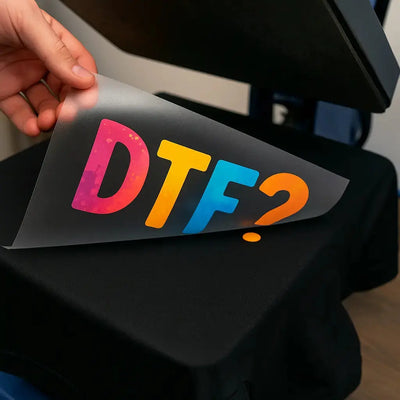
DTF stands for Direct to Film. It is a printing method where a design is printed onto a special carrier film, coated with adhesive powder, cured, and then heat pressed onto fabric.
Let's clear the air right off the bat – we know what you Googled to get here. Maybe you saw "DTF" somewhere and your mind went straight to "down to f***" (yeah, we went there). Or perhaps you're wondering what DTF means on Snapchat and ended up here instead of getting those spicy DMs answered. Maybe you're a foodie who immediately thought of those delicious soup dumplings from Din Tai Fung (hey, we don't judge – those xiaolongbao are pretty amazing).
But here at DTF Dallas, we're talking about something completely different, yet equally exciting in the world of custom apparel: Direct to Film printing!
So What Does DTF Mean?
DTF stands for Direct to Film printing, and it's revolutionizing the custom t-shirt game faster than you can say "awkward Google search." This printing method involves printing your design onto a special film, then transferring it to your garment using heat and pressure. Think of it as the cool, tech-savvy cousin of traditional heat transfer vinyl.
Why DTF Is Having a Moment (And Why You Should Too)
Unlike that other DTF acronym that might get you in trouble at work, this DTF is all about creating something beautiful and lasting. Direct to Film printing offers:
- Vibrant, full-color designs that pop like your favorite TikTok filter
- Print feel that varies with artwork coverage, materials, and the garment
- Durability that depends on correct application, garment compatibility, and care
- Versatility that works on cotton, polyester, blends, and more
How DTF Printing Works
The process runs in a few steps: the design is printed in reverse onto a PET carrier film, a fine adhesive powder is applied over the wet ink, the film is cured so the powder melts and bonds, and the finished transfer is heat pressed onto the garment. After pressing, you peel the carrier film and the design stays on the fabric.
DTF vs DTG, Vinyl, and Sublimation
DTF transfers a printed design from film onto a compatible garment using heat and pressure. DTG prints directly onto garments and has its own fabric, pretreatment, and curing requirements. Cut vinyl is cut and weeded; printable vinyl also supports full-color artwork. Sublimation suits compatible polyester materials and specially coated items. Choose based on your artwork, fabric, finish, quantity, and total costs rather than assuming one method is best for every project.
Ready to Start Your T-Shirt Empire?
If you're looking to start your t-shirt business, you're in the right place! Buying ready-to-press DTF Dallas transfers avoids investing in a DTF printer and curing system, and there is no minimum order quantity. You still need a suitable heat press and compatible garments. You can literally start with one design and one shirt.
Here's how to get started:
Step 1: Browse our Custom DTF Transfers by Size to find the perfect fit for your design vision. Whether you're thinking big and bold or small and subtle, we've got you covered.
Step 2: Don't forget to grab a t-shirt to go with your design! We stock quality blanks that are perfect canvases for your creativity. But why stop at t-shirts? Check out our full range of apparel – hoodies, tank tops, sweatshirts, and more are all waiting for your artistic touch.
Step 3: For current standard DTF Dallas garment transfers on a manual heat press, use 290–310°F (approximately 143–154°C), 8–15 seconds, and medium-to-high even pressure. Keep the garment flat and hot peel the clear carrier promptly after pressing. Test the exact garment and follow the current application guide. A finishing press is optional; follow the guide if using one. Purchased transfers are already printed and cured.
The Bottom Line
So there you have it – DTF in the printing world is all about bringing your designs to life, not about late-night text messages or Chinese dumpling cravings (though we respect both). Direct to Film printing is your ticket to creating professional-quality custom apparel without the professional-level headaches.
Whether you're starting a business, creating merchandise for your band, or just want to make the world's most epic family reunion t-shirts, DTF printing has got your back. If there is a problem with your order, our Return & Refund Policy explains which issues qualify for review and reprinting.
Ready to get DTF with us? (See what we did there?) Check out our Custom DTF Transfers by Size and let's make some printing magic happen!
What If There Is a Problem with My Order?
For custom products, DTF Dallas offers free reprints for verified issues on our part, including defects, significant print-quality problems, shipping damage, incorrect or missing items, and adhesion failures when our application instructions were followed. Custom products are not refundable for buyer’s remorse or an incorrect size or color selection.
Email info@dtfdallas.com with your order number and photos. Report damage, shortages, or incorrect items visible at delivery within 72 hours. Print-quality or adhesion issues discovered during use must be reported within 45 days of delivery. See the Return & Refund Policy for the complete conditions and process. Do not send items back without approval.
FAQs
Q: What does DTF stand for?
A: DTF stands for Direct to Film. The design is printed on a carrier film, coated with adhesive powder, cured, then heat pressed onto the garment.
Q: Is DTF the same as screen printing?
A: No. Screen printing pushes ink through a mesh screen one color at a time. DTF prints a full-color design onto film that is then pressed onto fabric, so it handles detailed, multi-color art without separate screens.
Q: What does DTF mean on shirts?
A: On shirts, DTF refers to a Direct to Film transfer that has been heat pressed onto the garment. It gives a durable, full-color print that holds up to regular washing.
Q: Is DTF better than DTG?
A: They suit different jobs. Compare the actual fabric, artwork, finish, production process, and cost. Test your garment and follow the selected system’s instructions; no method is better for every project.
Comments 0
Be the first to leave a comment.


